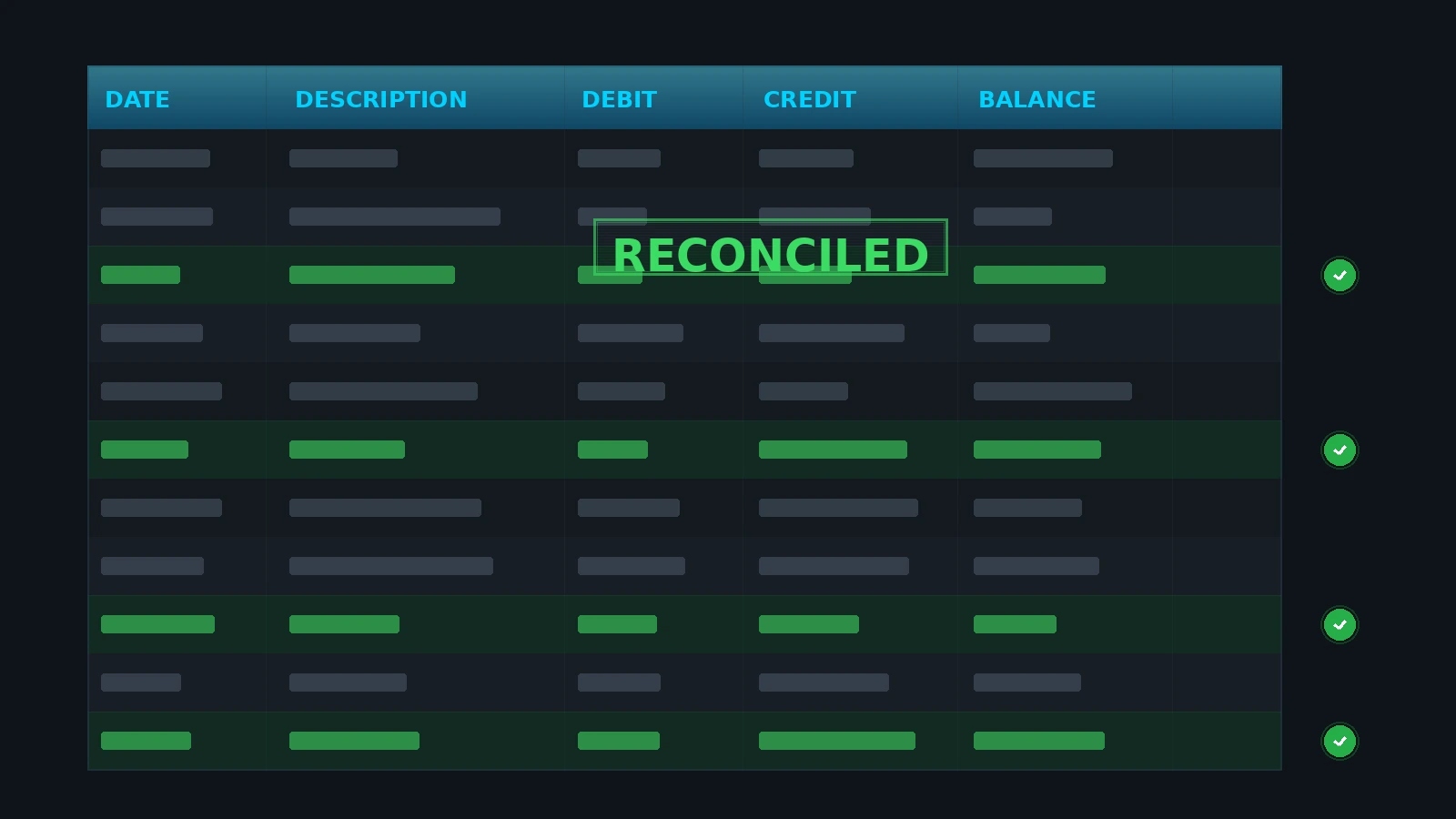
In 2026, daily bank reconciliation is table stakes. If a trust accounting platform isn’t automatically importing TXN files and balancing the cash position by 9:00 AM, it is already behind. But balancing the ledger is just the baseline. The real efficiency gains — and the real profit protection — come from automating the complex, cyclical financial events that occur after the daily rec is done.
While most modern platforms can generate levies in bulk, the “setup” required to get accurate figures across hundreds of schemes is often a manual chokepoint. The ideal automation playbook moves beyond simple batch processing to handle the entire logic of scheme finance.
1. Smarter Levy Logic: It’s All in the Setup
Generating a levy notice is easy. Ensuring that notice reflects the correct budget, uplift, and entitlement liability for 500 different buildings — without checking each one manually — is hard. The ideal solution replaces manual calculation with Scheme-Level Parametric Automation.
- Dynamic Budgeting — Instead of manually calculating increases, the system should accept rule-based inputs (e.g., “CPI + 2%” or “Sinking Fund Plan Alignment”) to automatically draft the budget.
- Year-on-Year Intelligence — Crucially, the transition between financial years must be automated. The system should calculate pre-issue levies to ensure liquidity and automatically adjust for budget fluctuations from the previous period. The result is a seamless financial rollover that doesn’t require a calculator.
2. The Daily Delivery Engine (With a Safety Net)
Levy generation shouldn’t be a monthly panic; it should be a daily rhythm. The optimal workflow involves generating and delivering Fee, Arrears, and Final Notices every single business day.
The Daily Levy Delivery Engine — Workflow
This three-phase rhythm replaces the monthly panic of batch levy generation with a daily, predictable cadence — combining the speed of automation with the safety of human oversight.
3. Protecting Revenue: Automated Fee Adjustments
One of the silent killers of agency margin is the “drift” between what was budgeted in management fees and what was actually billed. If a building’s lot count changes, or a disbursement rate is updated mid-year, manual systems often miss the catch-up billing.
Fee Variance Analysis — Automatic Revenue Protection
4. The LPP Challenge: Managing Exceptions
The challenge with Late Payment Penalties (LPPs) is Exception Management. Cross-referencing which lots are eligible for a penalty is a massive administrative drain. Does the lot have an active Payment Plan? Is it currently escalated to a Legal Case? Does the arrears amount fall below the scheme’s specific threshold?
The solution is an engine that handles these exceptions logically:
- The Logic — The system scans the portfolio monthly. It checks debt thresholds and building-specific grace periods. Crucially, it must automatically exclude lots that are on an active Payment Plan or legal escalation.
- The Execution — It generates the penalty invoice for eligible non-compliant owners and adds it to their next notice.
- The Payoff — Simultaneously, it should generate a Supplier Invoice for the agency to the Owners Corporation. This turns a compliance task into a “zero-touch” revenue line without the risk of penalising owners who have made arrangements.
The Bottom Line
Daily balancing proves an agency knows where the money is. But automated logic — handling levies, fees, and penalty exceptions — proves they know how to manage it. By removing the manual friction from these complex financial cycles, agencies can manage larger portfolios with less stress and zero revenue leakage.
StrataPort v3.0 delivers every workflow and automation capability outlined above.